
Book Appointment Now

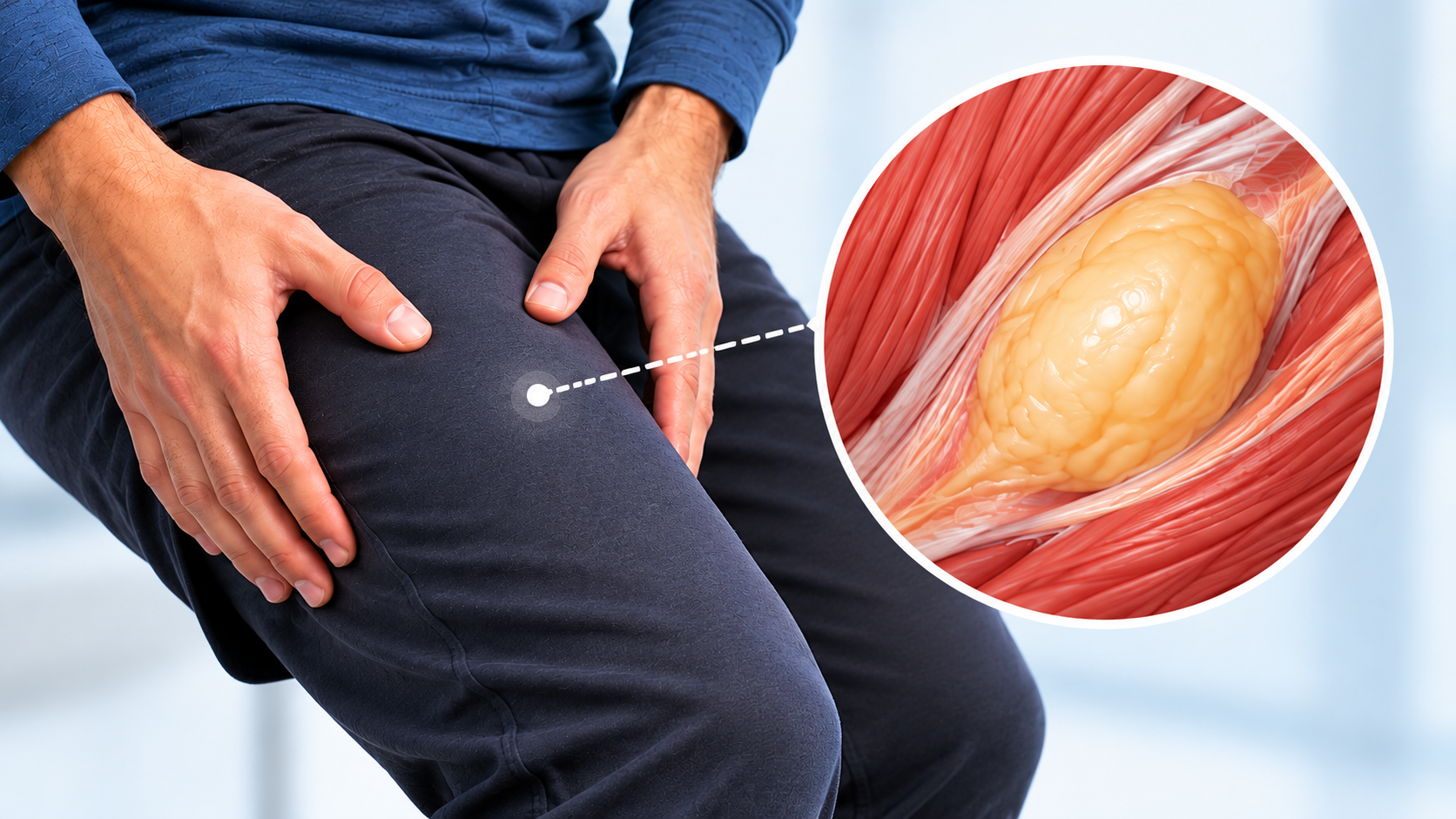
When Should a Soft-Tissue Lump Be Evaluated?
Most soft-tissue lumps are benign, but a lump that is growing, persistent, deep, painful, or otherwise unusual deserves medical evaluation. Learn which features should prompt further assessment.

Most lumps are not cancer. Lipomas, cysts, and other benign conditions are much more common than soft-tissue sarcoma. Still, a new or unexplained lump should not simply be ignored, especially if it is changing over time.
A soft-tissue sarcoma can develop in tissues such as muscle, fat, blood vessels, tendons, and other connective tissues. One of the most common warning signs is a lump that continues to grow. It may be painless, particularly at first.
When should you seek medical evaluation?
A lump deserves medical assessment if it is:
- increasing in size
- unexplained or persistent
- located deep beneath the skin
- difficult to move
- painful or becoming painful
Size can matter, but it should not be used as the only criterion. Some referral pathways use 5 cm as a warning threshold, yet smaller sarcomas do occur. A lump that is clearly growing should be assessed even if it is still small.
What happens during evaluation?
The first step is usually a clinical examination. Depending on the location and characteristics of the lump, imaging such as ultrasound or MRI may be recommended. NICE guidance, for example, recommends urgent ultrasound assessment for an unexplained soft-tissue lump in an adult that is increasing in size.
If imaging raises concern for a soft-tissue tumor, further assessment by a specialist team may be needed. A biopsy may also be necessary to establish the diagnosis.
Does a lump mean cancer?
No. Most lumps have non-cancerous causes. The purpose of evaluation is not to assume that a lump is malignant, but to identify the small number of cases that need further investigation without unnecessary delay.
A practical rule
If you notice a new lump that is growing, persistent, deep, or otherwise unusual, arrange a medical assessment rather than trying to diagnose it yourself.
References
- NHS: Soft tissue sarcoma – Symptoms
- NICE Guideline NG12: Suspected cancer – recognition and referral
Medical disclaimer: This article provides general information and is not a substitute for individual medical evaluation. If you have a new or changing lump, seek assessment from an appropriate healthcare professional.